Homeowners Prioritize Outdoor Space Functionality as Fall Season Brings Earlier Sunsets
Richardson, United States – October 30, 2025 / Secret Gardens /
Fall’s arrival across Highland Park, Frisco, McKinney, and surrounding North Texas communities brings noticeable changes in daylight hours. As sunset times shift earlier throughout the season, property owners recognize how darkness limits outdoor space functionality during hours when cooler temperatures actually make outside activities more comfortable. Professional landscape lighting solutions address this seasonal challenge while providing year-round benefits including enhanced security, improved property aesthetics, and extended usability of entertainment areas. Understanding how landscape design elements work together helps homeowners create cohesive outdoor environments that function beautifully regardless of season or time of day.
The Impact of Seasonal Light Changes
North Texas experiences significant daylight reduction between early fall and winter solstice. Sunset times shift from approximately 7:30 PM in early fall to around 5:30 PM by late fall, eliminating two hours of natural light during peak outdoor activity times. This change particularly affects homeowners who work traditional schedules and primarily use outdoor spaces during evenings and weekends.
The seasonal transition creates practical challenges beyond simple visibility concerns. Pathways become hazardous without proper illumination, creating trip hazards from uneven surfaces, steps, or landscape features that appear obvious in daylight but disappear after dark. Outdoor entertainment areas lose functionality when guests cannot safely navigate spaces or when ambient lighting proves inadequate for comfortable conversation and dining.
Security considerations intensify as darkness arrives earlier. Properties with inadequate exterior lighting become more vulnerable to unwanted activity, while well-lit landscapes deter problems by eliminating concealment opportunities and demonstrating active property management. Insurance providers often recognize properly lit properties as lower-risk investments.
Additionally, fall’s moderate temperatures create ideal conditions for outdoor entertaining, making the lighting limitation particularly frustrating. Families want to utilize patios, fire pits, and outdoor kitchens during comfortable weather, but darkness curtails these activities without proper illumination systems.
Components of Professional Landscape Lighting Systems
Comprehensive landscape lighting incorporates multiple fixture types and strategic placement techniques that address different functional and aesthetic goals simultaneously. Understanding these components helps property owners make informed decisions about system design.
Pathway lighting ensures safe navigation throughout outdoor spaces. Low-level fixtures illuminate walkways, steps, and transitions between different areas without creating glare or light pollution. Proper pathway lighting placement considers natural traffic patterns, potential obstacles, and areas where elevation changes occur.
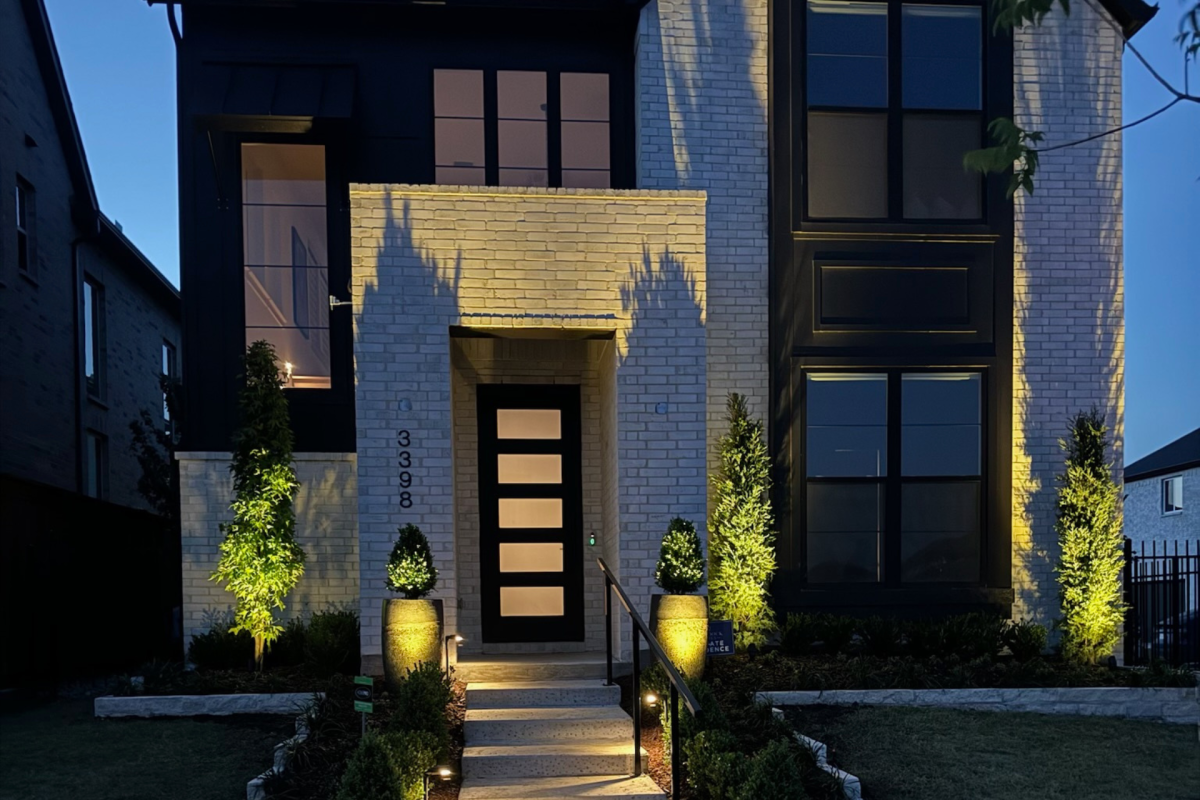
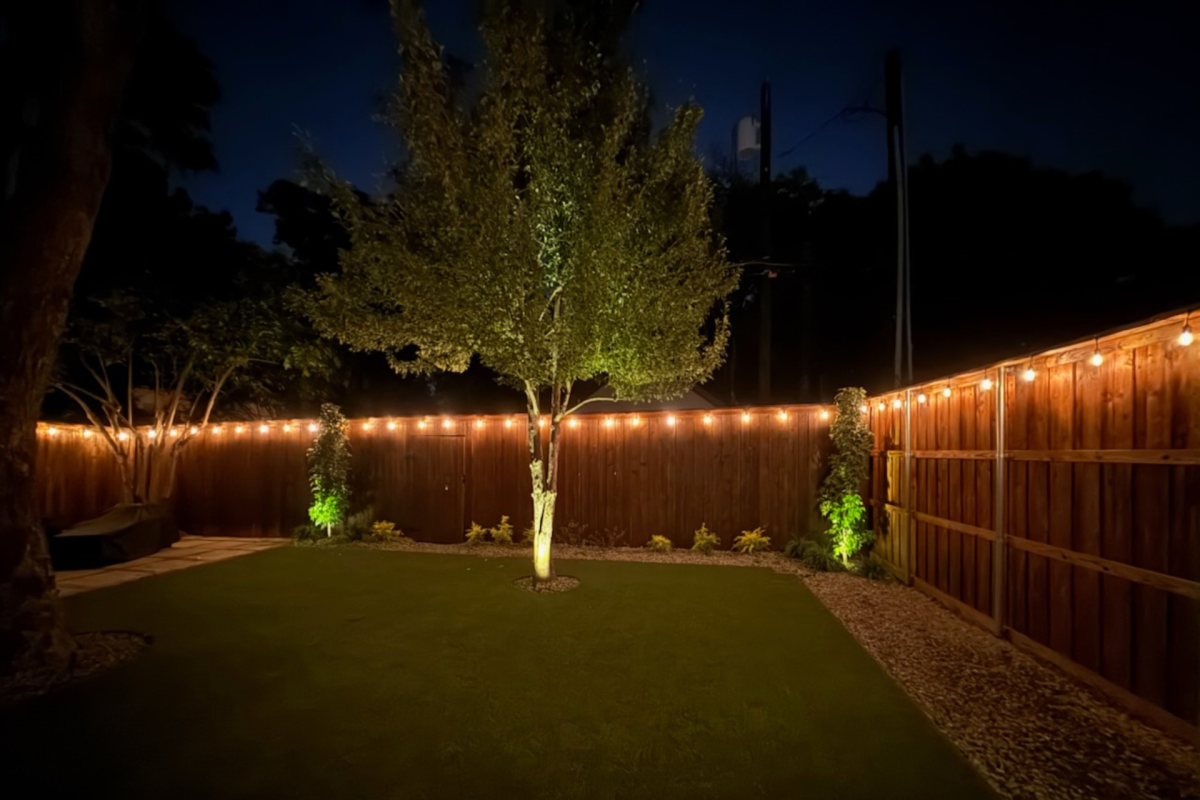
Accent lighting highlights architectural features, specimen plants, or hardscape elements that deserve emphasis. Uplighting techniques draw attention to mature trees, creating dramatic silhouettes and visual interest. Wall washing illuminates textured surfaces like stone or brick, emphasizing material quality and craftsmanship. Focal point lighting directs attention to water features, sculptures, or other landscape elements that serve as design anchors.
Security lighting provides functional illumination for vulnerable areas including entry points, side yards, and property perimeters. Motion-activated options offer energy efficiency while alerting homeowners to activity. Strategic placement eliminates dark corners and concealment opportunities without creating excessive brightness that disturbs neighbors or wildlife.
Entertainment area lighting creates ambiance while providing adequate visibility for outdoor kitchens, dining spaces, and conversation areas. Layered lighting approaches combine task lighting for functional areas with softer ambient lighting that maintains comfortable atmosphere. Dimmers allow adjustment based on specific activities and preferences.
Seasonal and decorative lighting accommodates holiday displays and special occasions. Permanently installed systems with programmable controls simplify seasonal decoration while maintaining professional appearance and electrical safety.
Technical Considerations for Effective Systems
Quality landscape lighting systems require more than simply installing fixtures throughout properties. Technical expertise ensures reliable performance, energy efficiency, and longevity that justify initial investments.
Low-voltage systems provide safety advantages over line-voltage alternatives while offering adequate illumination for most landscape applications. These systems reduce electrical hazards, simplify installation without extensive permitting requirements, and lower operating costs. Transformers convert standard household current to safe low-voltage output, with sizing based on total fixture wattage and wire run distances.
LED technology has transformed landscape lighting by dramatically reducing energy consumption while extending fixture lifespan. Quality LED fixtures operate for decades without bulb replacement, eliminating ongoing maintenance that previously made landscape lighting systems expensive to maintain. Color temperature selection affects ambiance, with warmer tones generally preferred for residential applications.
Photocell and timer controls automate system operation, ensuring lights activate at appropriate times without manual intervention. Smart systems allow remote control via smartphone applications, enabling adjustments from anywhere and integration with broader home automation platforms.
Wire sizing and voltage drop calculations ensure consistent illumination throughout systems. Inadequate wire gauge creates voltage loss over distance, resulting in dim fixtures at circuit ends. Professional installation accounts for these technical requirements during initial design rather than discovering problems after completion.
Installation Timing and Process
Fall provides ideal conditions for landscape lighting installation. Moderate temperatures make outdoor work comfortable for installation crews while allowing homeowners to participate actively in fixture placement decisions. Ground conditions typically remain workable without summer hardness or winter freezing that complicates trenching for wire burial.
Additionally, installing systems during fall means they’re operational before holiday seasons when exterior lighting becomes particularly desirable. Homeowners can enjoy enhanced outdoor spaces throughout winter months rather than waiting until spring to complete installations.
The installation process typically begins with comprehensive design consultation where lighting professionals assess properties, discuss goals and preferences, and develop lighting plans showing proposed fixture locations. This planning phase proves critical for achieving desired results while avoiding common mistakes like over-lighting, poor fixture placement, or inadequate coverage of key areas.
Following design approval, installation involves trenching for wire burial, transformer placement and connection, fixture installation and aiming, and system testing to verify proper operation. Professional installations conceal wiring and transformers while ensuring compliance with electrical codes and manufacturer specifications.
Maintenance and Long-Term Performance
Modern landscape lighting systems require minimal ongoing maintenance compared to older technologies. LED fixtures eliminate frequent bulb replacement, while quality components withstand weather exposure for years without deterioration. However, periodic maintenance ensures optimal performance and appearance.
Fixture cleaning removes accumulated dirt, spider webs, and debris that can reduce light output or create unattractive appearances. Landscape changes including plant growth may require fixture repositioning or aiming adjustments to maintain intended lighting effects. Timer and photocell function should be verified periodically to ensure proper automation.
Professional maintenance services provide comprehensive system checks, identifying potential problems before they affect performance and making adjustments that account for landscape maturation and changing property needs.
Planning Effective Lighting Solutions
Property owners throughout Richardson, Allen, Plano, and surrounding areas benefit from understanding how professional landscape lighting transforms outdoor space functionality throughout fall and winter months. Whether addressing security concerns, extending entertainment area usability, or enhancing property aesthetics, properly designed lighting systems deliver value that justifies investment.
Landscape lighting installations integrate with broader landscape design strategies, working in concert with hardscaping, plantings, and outdoor living features to create cohesive environments. Considering lighting during initial landscape planning ensures optimal fixture placement and adequate electrical infrastructure.
Secret Gardens welcomes inquiries from homeowners exploring lighting possibilities for their properties. Contact (469) 754-8873 or visit secretgardensllc.com to discuss how professional landscape lighting design creates outdoor spaces that remain functional, beautiful, and secure regardless of season or time of day.

Contact Information:
Secret Gardens
1050 N Greenville Ave, Richardson, TX, US, 75081
Richardson, TX 75081
United States
Contact Secret Gardens
(469) 754-8873
https://www.secretgardensllc.com/

Original Source: https://secretgardensllc.com/media-room/