
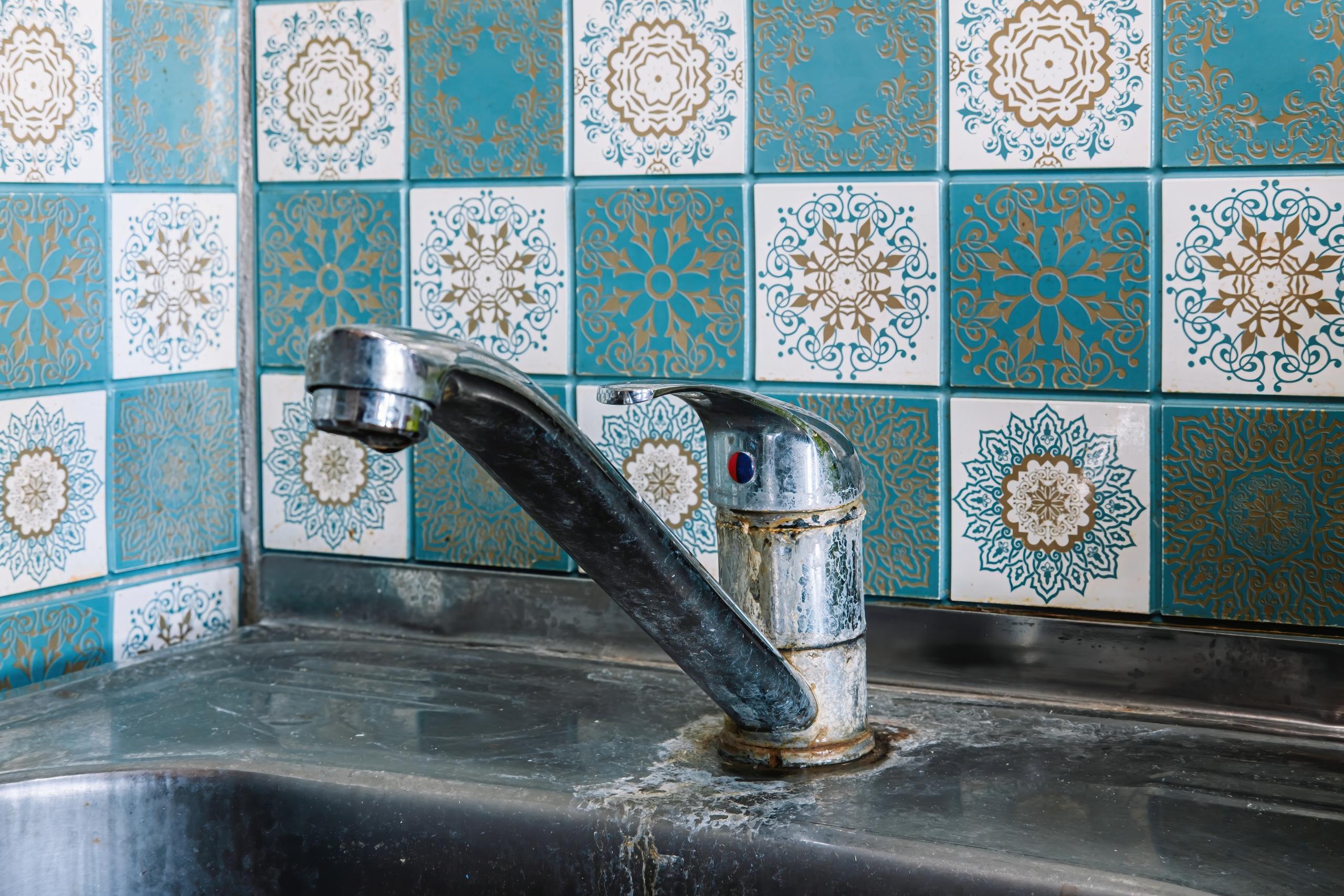
White marks around taps, cloudy patches on shower glass, and a chalky layer inside the kettle are familiar sights in many homes. These deposits are limescale, and they form when minerals in hard water are left behind on surfaces. As Integraflow, which serves the Perth area, explains in its guide to hard water scale, cleaning removes the deposits already present but does not change the water itself, which is why the build-up keeps coming back. Understanding what causes limescale is the first step toward managing it effectively.
What Makes Water Hard
Water hardness refers to the amount of dissolved calcium and magnesium in a water supply. As water moves through rock and soil, it picks up these minerals naturally. The higher the concentration, the harder the water and the more likely it is to leave deposits.
Groundwater, which spends long periods in contact with underground rock formations, often carries higher mineral levels than surface water collected in dams. Hard water is not generally considered a health concern, and calcium and magnesium are common minerals in the diet. The issue is largely practical, as these minerals do not stay dissolved under every condition.
How Evaporation Leaves Scale Behind
The most visible limescale forms through evaporation. When droplets of hard water sit on a tap, sink or shower screen and dry, the water evaporates, but the minerals do not. A thin film remains on the surface.
On its own, a single film is barely noticeable. Repeated daily, the layers build into the chalky white deposits commonly seen around tap bases, spouts and aerators. Shower screens are particularly prone because they are wetted every day and often left to air dry, allowing fresh mineral layers to settle over older ones.
Why Heat Speeds Up Build-Up
Heating has an even stronger effect. Much of the calcium in hard water exists as calcium bicarbonate, which stays dissolved at normal temperatures. When water is heated, this compound breaks down into calcium carbonate, which does not dissolve easily and settles onto hot surfaces. The hotter the water and the more often it is heated, the faster scale tends to form. This is why kettles develop scale near the heating element and why hot water systems, dishwashers and washing machines are vulnerable.
Over time, deposits inside appliances can reduce heating efficiency, restrict water flow and place added strain on components such as elements and valves.
Why Hardness Varies Across Perth
Perth’s water supply draws on a blend of groundwater, desalinated seawater and surface water from dams. Each source carries different mineral levels, and the mix delivered to a home depends on its location within the supply network. As a result, water hardness can differ noticeably from one area to another, and it can change over time as supply allocations shift.
Properties using private bores may see different mineral levels altogether, depending on the bore. Two homes only a short drive apart can therefore have very different experiences with scale.
Factors That Make Scale Worse
Several conditions accelerate limescale formation beyond water hardness alone:
- Higher water temperatures, which speed up the release of minerals.
- Surfaces left wet after use.
- Narrow openings such as aerators and showerheads, where deposits collect.
- Infrequent cleaning, which allows thin layers to harden into stubborn build-up.
These factors explain why scale appears faster in some parts of the home than others, even when the same water supply is used throughout.
Recognising When Hard Water Is the Underlying Cause
Frequent descaling of the kettle, shower screens that cloud soon after cleaning, and white residue on taps all point toward hard water as a likely cause. Mineral spots on glassware after washing are also common. Soap that struggles to lather can be another sign, as hardness minerals react with soap and reduce its effectiveness.
When these signs appear together, testing the water is a practical way to confirm hardness levels and identify a suitable long-term approach. Integraflow notes that understanding your local water supply is often the first step toward finding a solution that actually holds up over time.
Integraflow
1/39 Boranup Ave
Clarkson
Clarkson
Western Australia
6030
Australia


